This summer, France experienced a series of exceptional heatwaves, accompanied by wildfires, droughts and water restrictions. According to initial estimates by Santé publique France, more than 8,000 additional deaths were recorded during the heatwaves of summer 2026. Faced with this reality, how should we respond as Christians? Amidst concern, a sense of powerlessness and the temptation to resign ourselves to the situation, what role should we give to active engagement and prayer?
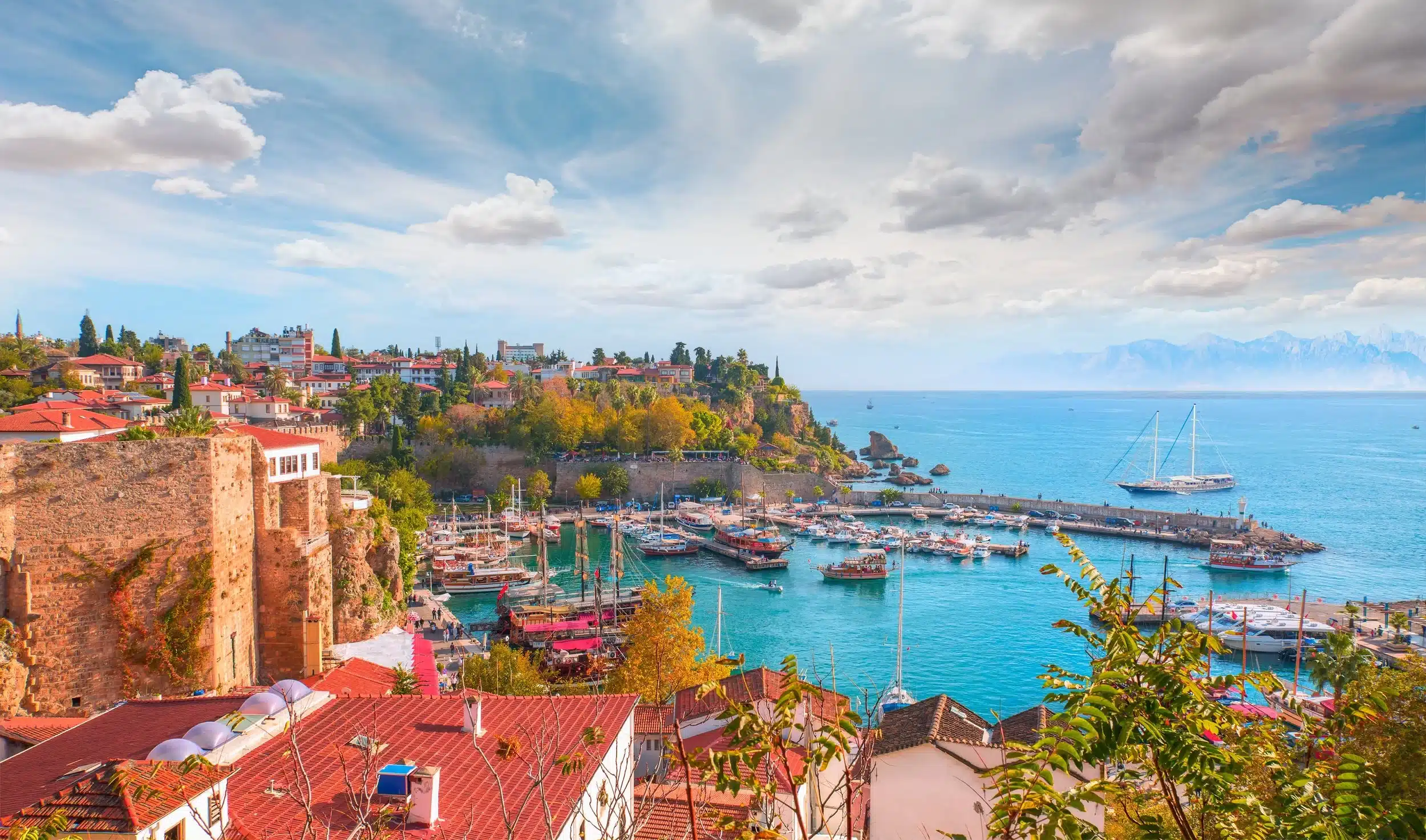
It is against this backdrop that COP31, the United Nations’ major annual conference on climate change, will take place from 9 to 20 November 2026 in Antalya, Turkey.
The COP (Conference of the Parties) brings together representatives from countries around the world to negotiate measures to tackle climate change.
Amidst these negotiations, there is a discreet but steadfast presence: that of Christians from all over the world who have come to observe, learn, bear witness and pray. Once again this year, A Rocha will be present, notably through two representatives from A Rocha France: Samuel Wurgler, our organisation’s ambassador, and myself.
A programme to train Christian observers for COP31
This presence is organised in particular through the Christian Climate Observers Programme (CCOP), a programme supported by several Christian organisations, including A Rocha. Its aim is to train Christians to better understand international climate negotiations, to bring a Christian perspective to them, and to mobilise their churches and communities.
In practical terms, participants are granted official observer accreditation. This allows them to access certain areas and events at the conference, follow the discussions and meet those involved in the negotiations.
A series of preparatory webinars enabled us to gain a better understanding of how international climate negotiations work and the issues at stake at COP31, as well as to learn how to communicate more effectively about climate change to different audiences. A spiritual preparation session also encouraged us to acknowledge the emotions stirred up by the climate crisis (anxiety, anger, discouragement, etc.) and to cultivate prayer, hope and love in the face of these challenges.
Whilst there, daily times of discussion, biblical reflection and prayer will allow us to take a step back and reflect on what we have heard and experienced.
But the role of an observer does not end at the COP. It also involves sharing what we have learnt with our churches and networks, in order to contribute to a better understanding of climate issues and to encourage a Christian response that is equal to the challenges.
The programme is open to Christians from all traditions.
To find out more about A Rocha’s international involvement at COP31, please visit this page on the A Rocha International website.
A third COP, and a conviction that has never left me
For my part, this will be my third COP. I took part in the 2015 COP in Paris, where the Christian observers’ programme was launched and where A Rocha organised a major conference at St Michael’s Church alongside the COP, and then in the 2021 COP in Glasgow, alongside several A Rocha ambassadors and my eldest daughter.
This year, I will be in Antalya from 13 to 21 November, mainly for the second week of negotiations, in partnership with SEL, a Protestant international solidarity organisation particularly concerned with the consequences of climate change for the poorest communities. One of my sons, who has just turned 18, will be accompanying me.
There is a story behind this decision: some twenty years ago, when I first began to grasp the gravity of climate change, I made a promise to myself: I did not want to reach the twilight of my life having to admit to my children – and to God – that I had stood idly by in the face of such a serious threat to their future.
That conviction has never left me. It is what has led me to speak about these issues in churches for over twenty years, to work to mobilise Christians and, whenever possible, to take my children to the COP.
Not because I think these conferences will be enough to resolve the climate crisis, but because I believe we have a responsibility to fulfil, wherever we are and with the resources at our disposal.
Why take part in a COP?
One might legitimately ask what purpose these major international gatherings serve, given that they are often criticised for their slowness, their contradictions and the gap between the commitments announced and the actions actually taken.
These criticisms are partly justified. Nevertheless, I remain convinced that it is important for Christians to be present, to bear witness, to listen and to pray.
To bear witness, first and foremost. To bear witness that the protection of creation and concern for our neighbours are not secondary concerns for Christians. Our faith calls us to care for the world that God has entrusted to us and to show particular concern for the most vulnerable, who are often the first to suffer the consequences of climate change, even though they have contributed the least to it.
Listening, next. A COP is an exceptional forum for dialogue. There, we meet representatives from nearly 200 countries, scientists, leaders of civil society organisations and people of faith from all traditions. In particular, we hear testimonies from communities already severely affected by droughts, floods or rising sea levels. These encounters help us to better understand the issues at stake, to step outside our European perspective and to put a human face to realities that can sometimes seem abstract.
Pray, at last. For whilst international negotiations and technological innovations are essential, they will not suffice on their own. The ecological crisis also confronts us with profoundly moral and spiritual questions: our relationship with consumption, wealth, power, justice and our fellow human beings. It calls for a transformation not only of our behaviour, but also of our hearts.
During COP31, we shall therefore pray for the negotiators, the leaders and the people they represent, that the decisions taken may be courageous and just, that they may protect the most vulnerable and help to preserve creation.
What if we were to come together in prayer?
The first form of support we are seeking is prayer.
In the face of heatwaves and their consequences, A Rocha France launched a series of online prayer meetings dedicated to the climate this summer. Around 130 people took part in the first meeting, demonstrating a desire to bring these concerns before God together.
This initiative is part of a long biblical tradition of intercession. Abraham even interceded for Sodom and Gomorrah!! (Genesis 18:16–33). Moses pleaded with God to spare the people of Israel after the incident of the golden calf (Exodus 32:11–14). The prophets speak of those who stand ‘in the gap’ on behalf of their people (Ezekiel 22:30).
These men of faith did not rejoice in the disasters that threatened their contemporaries, even when they denounced their faults. They interceded on their behalf.
Faced with the climate crisis, we too are called to stand in the breach: not to give in to fatalism, but to pray, to love and to act.
The next online prayer meeting will take place on Thursday 12 November, from 6.00 pm to 7.00 pm, during the first week of COP31. It is open to everyone.
How can I take part?
There are several ways you can get involved in this initiative:
- Take part in the prayer meeting on Thursday 12 November, to intercede together during COP31.
- Join the Prayer for Creation initiative to continue this commitment over the long term and to receive a daily prayer intention for creation each morning.
- Provide financial support for A Rocha France’s climate action: participation in COPs, outreach in churches and educational institutions, the organisation of seminars such as ‘Energy and Climate’, and raising awareness among Christians about environmental issues.
Together, let us continue to bear witness to our hope, to care for creation and to intercede for our world.
To find out more about the Christian observers’ programme: